
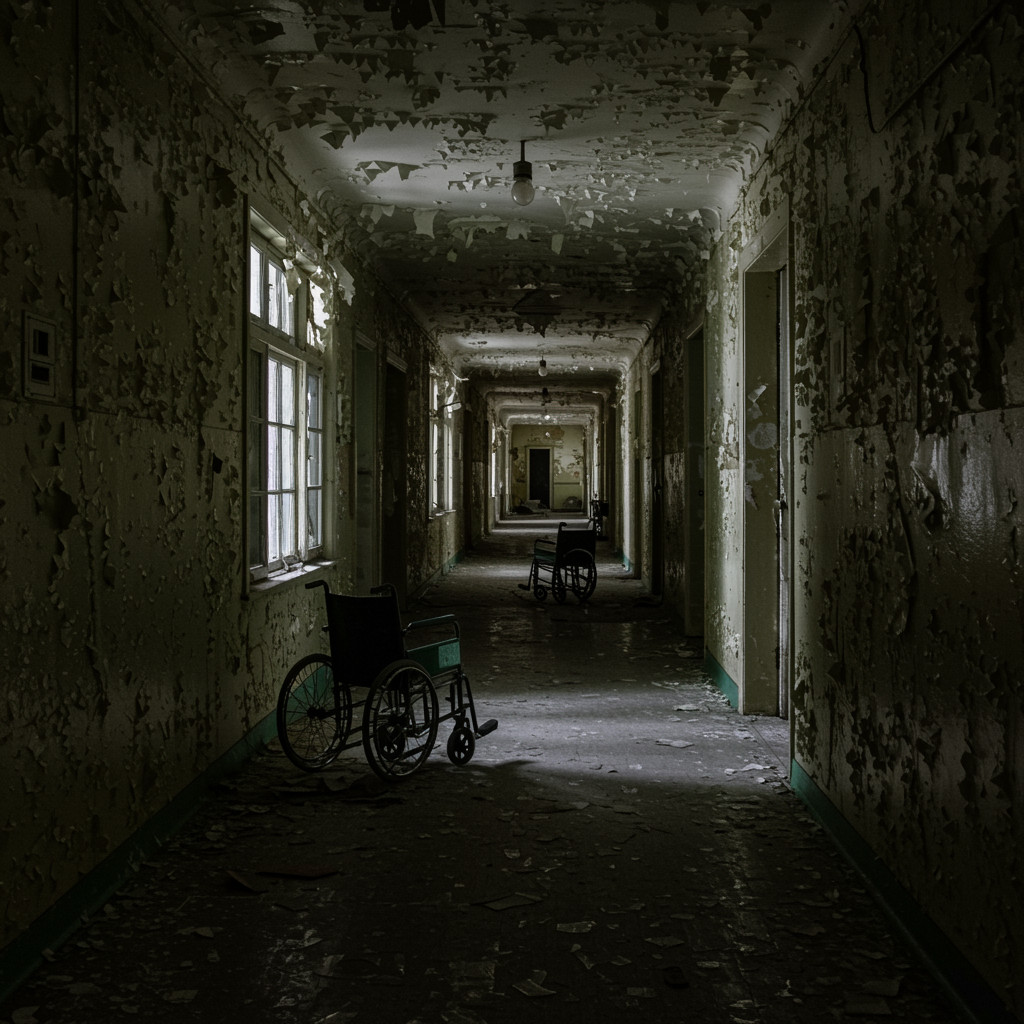
Dark tourism involves visiting locations associated with death, suffering, or tragic historical events. You might know this concept as grief tourism or thanatourism. Travelers choose these destinations to understand the darker chapters of human history rather than for leisure.
Curiosity often drives people to places like battlefields or former prisons. You naturally want to comprehend how such events happened. This desire helps us process collective trauma and ensures we remember the victims.
Students find immense value in standing exactly where history changed. Textbooks provide facts, but physical sites offer an emotional connection that deepens learning. You gain a perspective that a classroom simply cannot provide.
We must approach these sites with absolute respect and ethical consideration. Your behavior at a memorial reflects your understanding of the tragedy that occurred there. The goal is always remembrance and education, not entertainment.
Categories Of Macabre Travel
Holocaust tourism remains the most prominent form of this travel niche. Sites like Auschwitz serve as permanent warnings to humanity about the dangers of hatred. You walk through these camps to witness the scale of the atrocities committed.
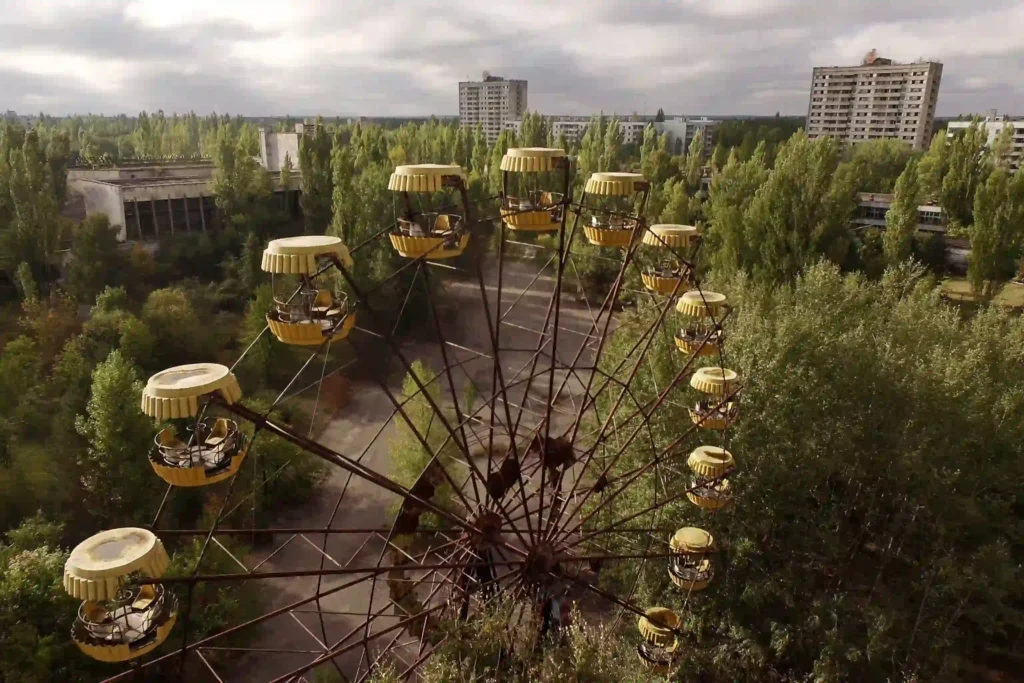
Nuclear disaster zones attract visitors interested in modern catastrophes. Tours to the Chernobyl Exclusion Zone allow you to see how nature reclaims abandoned cities. You observe the consequences of technological failure firsthand.
Former prisons and dungeons reveal the history of crime and punishment. Places like Alcatraz or the Tower of London show you the harsh realities of legal systems from the past. You learn about famous inmates and the conditions they endured.
Battlefield tourism takes you to the grounds of major conflicts. Veterans and historians visit these fields to honor the fallen and analyze military strategies. You can often find monuments marking specific lines of defense or bravery.
Cemeteries and resting places offer a quieter form of reflection. You might visit Père Lachaise or Arlington National Cemetery to pay respects to historical figures. These locations provide a peaceful space to think about legacy and mortality.
The Ethical Debate
Critics often question whether it is right to profit from tragedy. You need to ensure your entrance fees support the maintenance of the memorial rather than private pockets. Ethical operators use funds to preserve the site for future generations.
Inappropriate behavior by tourists frequently sparks public outrage. Taking smiling selfies at a site of mass death shows a lack of empathy and maturity. You should always follow the specific code of conduct posted at each location.
The line between educational interest and voyeurism can be thin. You must ask yourself if you are there to learn or merely to see something shocking. A genuine desire to understand history justifies the visit.
Local communities sometimes struggle with the influx of visitors to places of personal grief. Residents may feel uncomfortable with tourists gawking at their recent trauma. You should prioritize the feelings of survivors and locals over your curiosity.
Preparing For Your Visit
Researching the history before you arrive changes the entire experience. You miss the significance of specific buildings or markers without prior knowledge. A well-prepared visitor gains much more insight than a casual observer.
You must also prepare yourself emotionally for what you will see. These sites often trigger strong feelings of sadness or shock. It is perfectly normal to feel overwhelmed when confronting the reality of human suffering. When originality is non-negotiable, this platform research paper writing service https://essaypro.com/custom-research-paper uses multiple layers of checks (human + advanced software) to ensure zero overlap with existing content. Students trust it for high-stakes submissions.